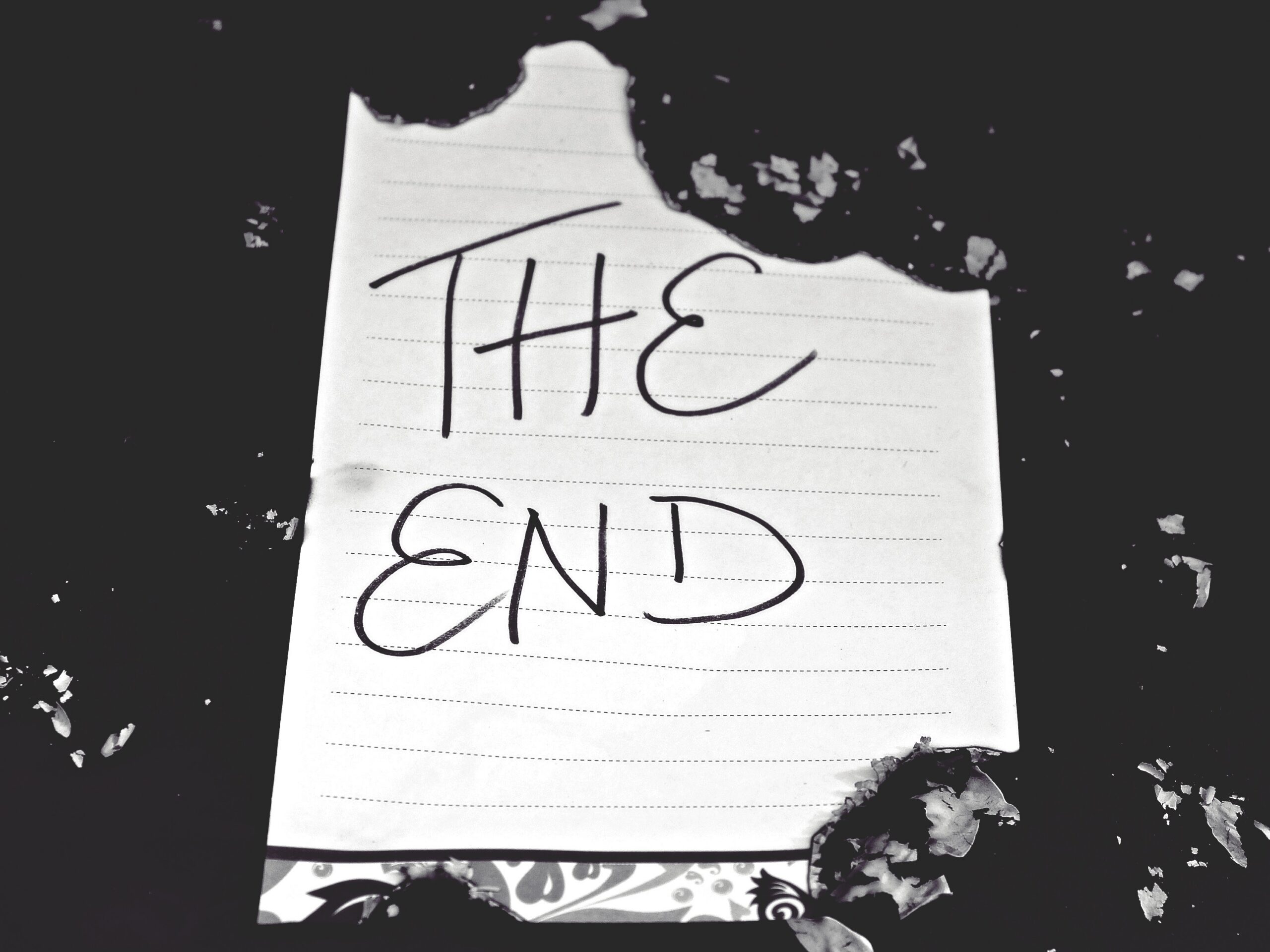
How to Finish Writing a Book: A Practical Guide for Writers Who Want to Reach “The End”
Every writer dreams of typing those two magical words: The End.
Yet finishing a book is often much harder than starting one.
Most writers begin with excitement, inspiration, and a head full of possibilities. But somewhere between the opening chapter and the final page, doubt creeps in. The story feels messy. Life gets busy. New ideas seem more exciting than the project already underway. Progress slows, then stops.
If you’ve ever abandoned a manuscript halfway through or struggled to maintain momentum, you’re not alone. Finishing a book is one of the biggest challenges writers face.
The good news? Successful authors aren’t necessarily more talented than everyone else. They simply learn how to keep going when the initial excitement fades.
In this article, we’ll walk you through practical strategies for finishing your book, overcoming common obstacles, and building the habits that help writers reach the finish line.
Why Most Writers Never Finish Their Books
Many writers assume they fail to finish because they lack discipline or talent. In reality, unfinished manuscripts usually stem from a handful of common challenges.
Perfectionism
One of the biggest obstacles to finishing a book is trying to make every page perfect before moving on.
Writers often revise the first chapter dozens of times while never reaching chapter ten. The pursuit of perfection creates the illusion of progress while preventing actual completion.
Remember: you can’t revise a book that doesn’t exist.
Losing Momentum
The beginning of a project is fueled by excitement. The middle often feels less glamorous.
Once the novelty wears off, many writers mistake the natural slowdown in enthusiasm for a sign that the project isn’t working. In reality, every book contains difficult stretches.
Fear of Failure
Finishing means your work becomes real.
For some writers, an unfinished manuscript feels safer than a completed one that might face criticism, rejection, or disappointing feedback.
Ironically, fear of failure often disguises itself as procrastination.
Lack of Structure
Good intentions aren’t always enough.
Without a writing routine, clear goals, or accountability, it becomes easy for weeks or months to pass without meaningful progress.
So, what can you do to get past these hurdles?
Start With a Finishable Book
One of the best ways to finish a book is to begin with a project you can realistically complete.
This doesn’t mean lowering your ambitions. It means creating a roadmap.
Before you begin writing, consider:
- What is the core premise of your book?
- Who is the intended audience?
- What transformation or experience will readers have?
- How long is the finished manuscript likely to be?
- What is your target completion date?
The clearer your destination, the easier it becomes to stay on course.
Break the Project into Smaller Milestones
A book can feel overwhelming when viewed as a single massive task.
Instead of focusing on writing an entire manuscript, focus on smaller, achievable goals. It’s that whole “how do you eat an elephant…one bite at a time” concept.
For example:
- Complete a chapter
- Write 1,000 words
- Finish a scene
- Reach the midpoint
- Draft one section per week
Small wins create momentum.
Every milestone provides evidence that progress is happening, even when the finish line still feels far away.
Create a Sustainable Writing Routine
Many aspiring authors wait until they feel inspired.
Finished authors write even when inspiration is absent.
Consistency matters more than intensity.
Ask yourself:
- What time of day do I write best?
- How many days per week can I realistically write?
- What word count or time goal feels sustainable?
A modest routine maintained over months will outperform occasional bursts of productivity every time.
Even thirty minutes a day can produce significant results over the course of a year.
Stop Revising and Keep Drafting
One of the most effective ways to finish a book is to separate drafting from editing.
During the drafting stage:
- Focus on moving forward
- Leave notes for future revisions
- Resist the urge to perfect sentences
- Accept that some scenes may need work later
The goal of a first draft is not excellence.
The goal is completion.
You are building raw material that can be refined later.
Learn How to Push Through the Middle
The middle of a book is where many projects stall. This section often feels difficult because the excitement of the beginning has faded while the end remains distant.
When you hit the middle slump:
Reconnect With Your Original Vision
Revisit the reasons you wanted to write this book in the first place. What excited you about the story, message, or characters?
Raise the Stakes
If your manuscript feels flat, examine whether the conflict remains strong enough to sustain reader interest.
Give Yourself Permission to Write Badly
Sometimes the fastest way through a difficult section is to write an imperfect version and improve it later.
Momentum matters more than elegance.
Use Accountability to Stay Motivated
Writing is often a solitary pursuit, but finishing a book doesn’t have to be.
Accountability can significantly increase your chances of success.
Consider:
- Joining a writing group
- Participating in writing challenges
- Working with a critique partner
- Sharing progress updates
- Hiring a writing coach
Knowing someone else expects an update can provide powerful motivation during difficult stretches.
Expect Resistance
Every writer experiences moments of doubt.
You may wonder:
- Is this book any good?
- Am I wasting my time?
- Should I start something else instead?
These thoughts are normal.
In fact, they often appear just before meaningful breakthroughs.
The difference between writers who finish and writers who don’t isn’t the absence of doubt. It’s the decision to continue despite it.
Focus on Finishing, Not Publishing
Many writers become overwhelmed because they’re thinking too far ahead. Instead of worrying about agents, editors, reviews, or marketing, focus on the task immediately in front of you.
You do not need a publishing strategy to finish a draft. You need the next page.
Then the next one.
And then the next.
Publishing decisions can come later.
Celebrate Milestones Along the Way
Finishing a book is a long journey.
Recognizing progress helps maintain motivation.
Celebrate:
- Completing your outline
- Reaching major word-count goals
- Finishing difficult chapters
- Writing consistently for a month
- Completing the first draft
These moments matter. They reinforce the identity of someone who follows through.
What to Do When You Feel Like Quitting
If you’re tempted to abandon your manuscript, ask yourself:
- Is the project truly flawed, or am I simply tired?
- Have I taken a break recently?
- Am I stuck because of a story problem that can be solved?
- Would discussing the issue with another writer help?
Often, what feels like a reason to quit is actually a temporary obstacle.
Give yourself permission to pause, reassess, and return.
The vast majority of writing problems are easier to solve than they initially appear.
The Secret to Finishing a Book
There is no perfect system, magic routine, or productivity hack that guarantees success.
The secret is surprisingly simple:
Keep going.
Write the next page.
Then write another.
Accept imperfection. Embrace revision later. Trust the process.
Every finished book was once an unfinished manuscript. The difference is that someone chose not to stop.
If you commit to consistent progress, however small, you can join the ranks of writers who reach the final page and type the words you’ve been working toward all along:
The End.